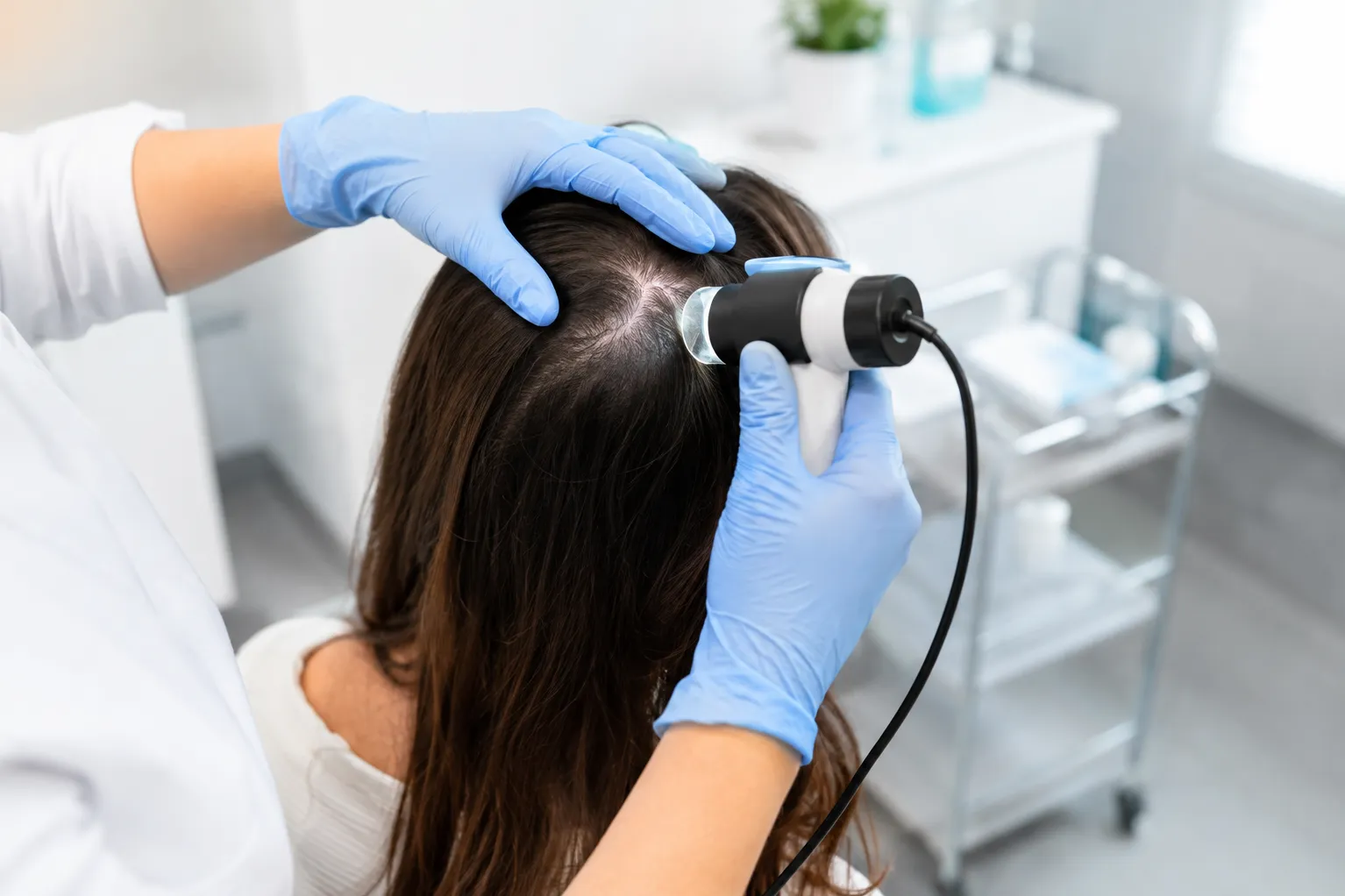
Hair loss can happen gradually or suddenly, depending on the underlying cause. While shedding a few strands each day is part of the normal hair growth cycle, persistent hair fall, thinning patches, or complete bald spots may indicate alopecia. Seeking timely Alopecia Management Treatment can help identify the cause, slow progression, and improve the chances of healthier hair growth.
In a busy city like Mumbai, factors such as stress, pollution, nutritional deficiencies, hormonal changes, and genetics often contribute to different forms of alopecia. Understanding the condition and available treatment options enables patients to make informed healthcare decisions.
Understanding Alopecia Beyond Hair Loss
Alopecia is not a single disease. It refers to a group of conditions that result in partial or complete hair loss. Some forms are temporary, while others may require long-term management.
Common types include:
- Androgenetic alopecia
- Alopecia areata
- Telogen effluvium
- Traction alopecia
- Scarring alopecia
Each type has different causes, symptoms, and treatment approaches, making professional diagnosis essential.
Common Signs That Should Not Be Ignored
Many people dismiss early symptoms until noticeable thinning develops.
Signs that warrant a dermatology consultation include:
- Sudden increase in hair fall
- Circular bald patches
- Receding hairline
- Widening of the hair part
- Excessive hair shedding during washing
- Hair breakage
- Scalp irritation or itching
Early intervention often improves treatment outcomes by protecting healthy follicles.
How Alopecia Is Diagnosed
A dermatologist evaluates multiple factors before recommending treatment.
Assessment may include:
- Medical history
- Family history of hair loss
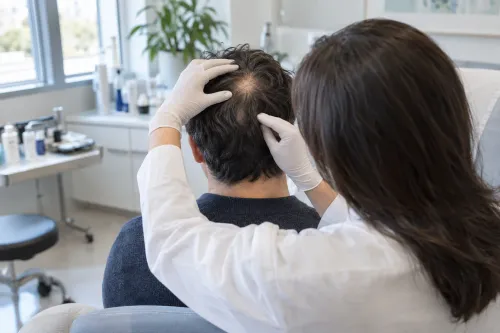
- Physical scalp examination
- Hair pull test
- Blood investigations when required
- Dermoscopic scalp evaluation
This thorough approach helps identify the root cause rather than treating symptoms alone.
Modern Alopecia Management Treatment Options
Treatment depends on the type and severity of alopecia.
Common options include:
Medical Therapy
Prescription medications may reduce ongoing hair loss while supporting healthier hair growth.
Nutritional Correction
Addressing iron deficiency, vitamin deficiencies, or protein imbalance can improve hair health in appropriate cases.
Scalp Care
Managing dandruff, inflammation, or scalp infections creates a healthier environment for hair follicles.
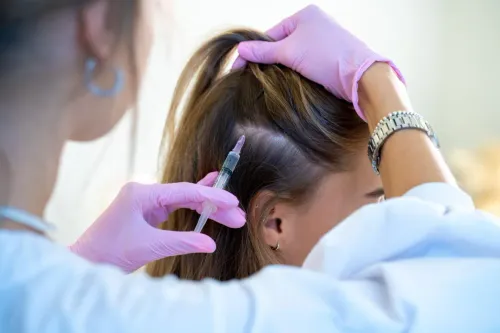
Regenerative Procedures
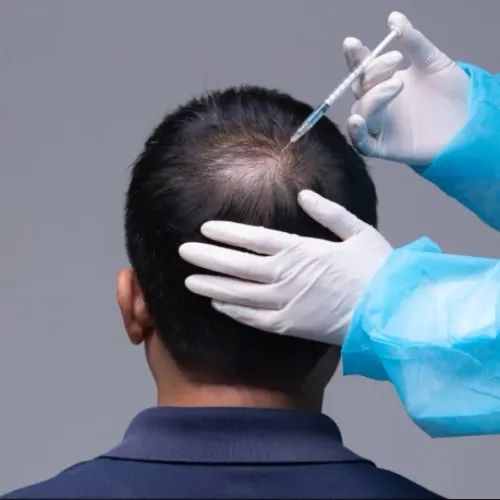
Advanced therapies may stimulate weakened follicles and improve hair density in selected patients.
Lifestyle Recommendations
Stress reduction, balanced nutrition, and proper hair care complement medical treatment.
Everyday Practices That Help Protect Hair
Small lifestyle changes can make a meaningful difference.
Consider adopting these habits:
- Eat a balanced, protein-rich diet
- Stay hydrated
- Avoid tight hairstyles
- Minimize chemical hair treatments
- Use mild shampoos
- Get adequate sleep
- Manage stress effectively
These practices support long-term scalp and hair health alongside professional care.
Why Personalized Treatment Matters
No single treatment works for every form of alopecia.
Factors influencing treatment include:
- Age
- Type of alopecia
- Duration of hair loss
- Medical history
- Hormonal status
- Existing scalp conditions
A customized treatment plan often delivers more predictable and sustainable results than generic hair products.
Looking Ahead With Confidence
Managing alopecia requires patience and realistic expectations. Hair growth is gradual, and regular follow-up appointments help monitor progress while allowing treatment adjustments when necessary.
Patients seeking Alopecia Management Treatment in Mumbai often benefit from individualized dermatological care. Dr. Akshay Kishor focuses on identifying the underlying cause of hair loss before recommending evidence-based treatment strategies, helping patients work toward healthier hair with scientifically guided management.
Keywords