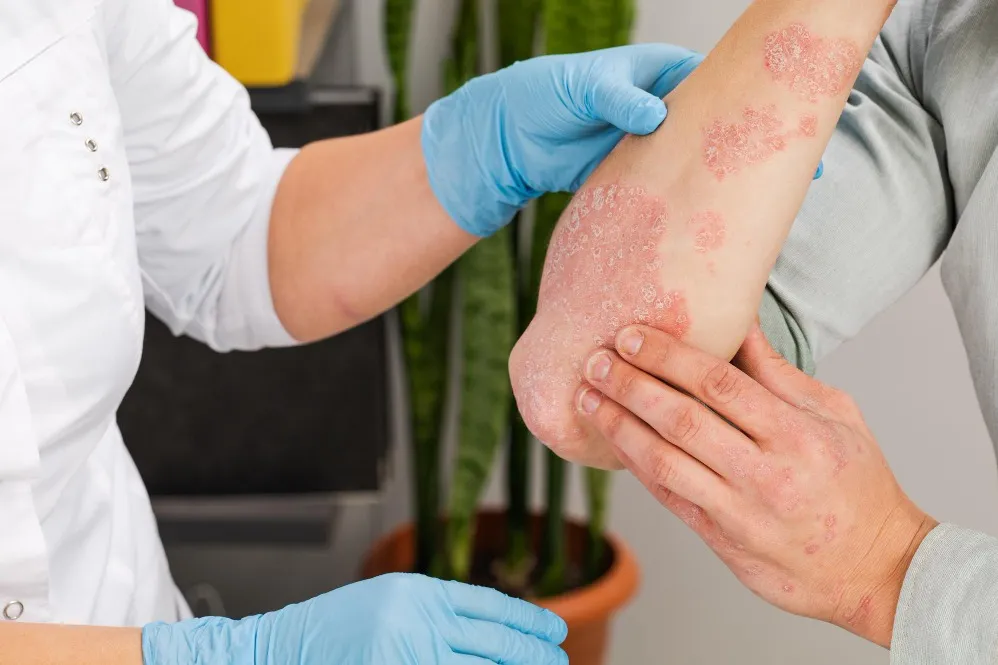
Eczema can turn ordinary activities such as bathing, exercising, sleeping, or choosing clothes into sources of irritation. The condition commonly causes itching, dryness, inflammation, and recurring flare-ups, although its appearance and severity vary.
Effective Eczema Treatment in Mumbai is not limited to controlling a flare after it starts. Protecting the skin barrier between episodes can be equally important.
Why the Skin Barrier Matters
Healthy skin acts as a protective barrier that limits water loss and helps keep irritants outside. In eczema-prone skin, this barrier may not function as effectively.
The result can be a cycle of dryness, itching, scratching, inflammation, and further barrier damage.
Breaking that cycle requires both treatment of active inflammation and consistent everyday skin care.
Choose Cleansing Habits Carefully
Long, very hot showers may feel soothing temporarily but can worsen dryness in some people. Gentle bathing with comfortably warm water is usually easier on sensitive skin.
Strong fragrances and harsh cleansing products may also irritate eczema-prone skin.
After bathing, patting rather than aggressively rubbing the skin and applying an appropriate moisturiser while the skin is still slightly damp can help reduce moisture loss.
Moisturising Is More Than Cosmetic Care
For eczema, moisturisers serve a functional purpose: supporting the skin barrier.
The best formulation depends on the affected area, climate, severity of dryness, and individual preference. A product that feels comfortable enough to use consistently may be more practical than an elaborate routine that is quickly abandoned.
Mumbai's humidity can make thick products uncomfortable for some people, while repeated exposure to air conditioning may increase dryness. Skin care can therefore need adjustment according to daily environment and season.
Identify Irritation Without Blaming Everything on 'Allergy'
Patients often assume that eczema must be caused by a food or contact allergy. Allergies can be relevant in selected cases, but eczema has multiple contributing factors.
Common aggravating factors may include:
- Excessive sweating
- Friction
- Harsh soaps
- Fragranced products
- Certain fabrics
- Heat
- Dry environments
- Stress
- Scratching
Removing foods without a clear medical reason can unnecessarily restrict nutrition, particularly in children.
When allergy is genuinely suspected, assessment should be based on the history and clinical pattern rather than broad elimination diets.
Treat the Itch-Scratch Cycle
Scratching temporarily relieves itching but damages the skin further. Keeping fingernails short, using appropriate moisturisation, managing heat and sweating, and treating active inflammation can help reduce the urge to scratch.
Night-time itching deserves particular attention because poor sleep can affect mood, concentration, and quality of life.
Persistent scratching can also cause skin thickening or secondary changes that make eczema harder to manage.
When Medical Treatment Is Needed
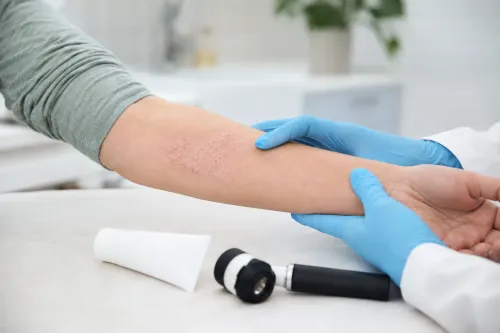
Active eczema may require prescription topical treatment. The medication selected depends on factors including the location, age of the patient, severity, and duration of symptoms.
More extensive or difficult-to-control eczema can require additional treatment strategies.
Dr. Akshay Kishor's dermatology clinic in Mumbai evaluates recurring eczema with attention to both active inflammation and the everyday factors that may contribute to repeated flare-ups.
Watch for Signs of Infection
Eczema-damaged skin can sometimes become infected. Increasing pain, warmth, crusting, oozing, rapidly worsening redness, or other concerning changes deserve timely evaluation.
Using leftover prescription creams without knowing what is causing a new rash may mask important signs or aggravate certain conditions.
Living with eczema often becomes easier when skin care is treated as an ongoing routine rather than an emergency response to severe itching. Gentle cleansing, consistent moisturising, sensible trigger management, and appropriate medical treatment can work together to reduce the burden of recurrent symptoms.
Keywords