Seeing strands of hair on a pillow, bathroom floor, or comb can quickly become worrying. Yet hair shedding does not always mean permanent hair loss. Humans naturally shed hair as part of the normal growth cycle, and temporary increases can occur after illness, stress, nutritional changes, childbirth, or other physical events.
The important question for anyone considering Hair Fall Treatment in Mumbai is not simply how many hairs are falling, but why the shedding has increased.
Hair Fall and Hair Loss Are Not Always the Same
Hair follicles move through growth, transition, resting, and shedding phases. Because different follicles are at different stages, some shedding occurs every day.
A noticeable increase may happen when more follicles enter the resting phase at around the same time. This pattern, often called telogen effluvium, may appear several weeks or months after a triggering event.
Other forms of hair loss have different mechanisms. Pattern hair loss, alopecia areata, inflammatory scalp disorders, and scarring conditions require different approaches.
That is why buying a generic 'anti-hair-fall' product before identifying the cause can lead to months of ineffective experimentation.
Signs That Deserve Closer Attention
A dermatology consultation becomes more relevant when you notice:
- Persistent shedding for several weeks or months
- Progressive widening of the hair part
- Receding temples or frontal hairline
- Reduced ponytail density
- Clearly visible scalp
- Circular or patchy areas of hair loss
- Scalp redness, scaling, pain, or significant itching
- Loss of eyebrow or body hair
- Sudden substantial shedding
Photographs taken under similar lighting every few weeks can sometimes provide a more useful picture of progression than checking the mirror several times a day.
Finding the Cause Comes Before Choosing Treatment
A detailed hair-loss assessment may include the pattern and duration of shedding, family history, scalp examination, recent illness, dietary changes, stressors, medications, menstrual history where relevant, and previous treatments.
When clinically indicated, laboratory investigations may be considered to look for contributing factors such as iron deficiency, thyroid abnormalities, or nutritional issues. Tests are selected according to the individual's history rather than automatically ordered for every patient.
For patients in Mumbai and Maharashtra, busy schedules and irregular meals can make self-diagnosis particularly tempting. However, assuming that every case is caused by vitamin deficiency can delay identification of other common conditions.
Why Random Supplements Are Not the Answer
Hair supplements have become widely marketed, but more is not necessarily better.
If a specific deficiency is contributing to shedding, correcting it may be helpful. Taking multiple supplements without evidence of deficiency, however, does not address every form of hair loss and may sometimes lead to unnecessary intake of certain nutrients.
The same principle applies to oils, serums, shampoos, and home remedies. They may support grooming or scalp comfort, but they cannot be expected to correct every biological cause of hair loss.
What Can Treatment Include?
Treatment depends entirely on the diagnosis.
A dermatologist may recommend medical treatment for pattern hair loss, management of an underlying scalp disorder, correction of identified nutritional deficiencies, or observation when the condition is expected to improve after a temporary trigger.
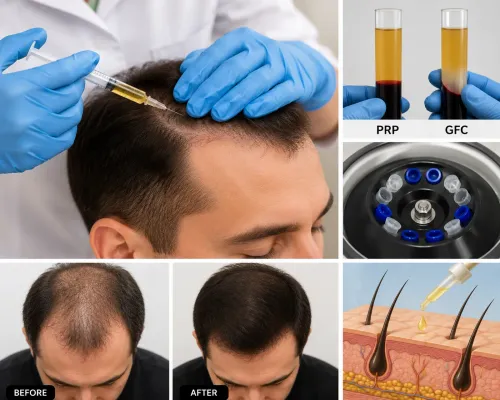
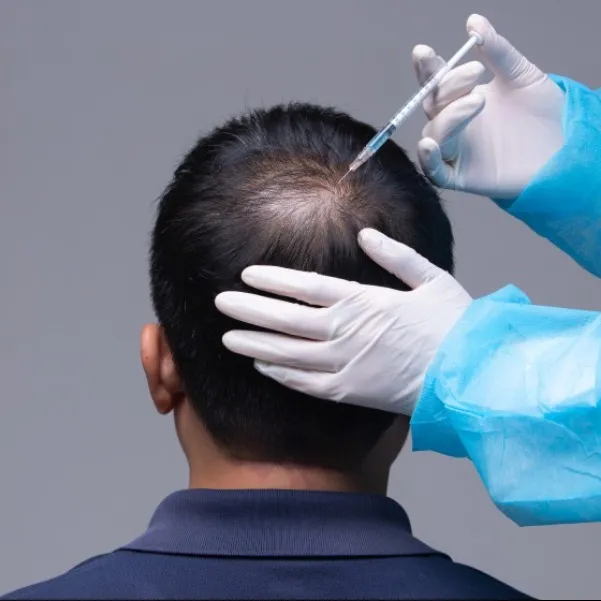
Procedural options may be discussed in selected cases, but they should not replace diagnosis.
Dr. Akshay Kishor evaluates hair and scalp concerns in Mumbai with attention to the underlying pattern rather than treating 'hair fall' as a single disease.
What Can You Do While Waiting for Improvement?
Hair growth is slow, so meaningful changes generally need time.
Meanwhile, sensible habits include avoiding excessively tight hairstyles, reducing repeated heat or chemical damage, eating a balanced diet with adequate protein, treating scalp conditions appropriately, and following the recommended treatment consistently.
Hair shedding can have many explanations, from temporary disruption of the growth cycle to progressive hair disorders. The most useful first step is therefore not finding the strongest product. It is establishing what is happening at the follicle and scalp level so treatment can match the actual cause.
Keywords