An under-eye hollow, brown pigmentation, visible veins, puffiness, and a tear-trough shadow can look similar in a photograph but require different treatment. By the end, you will be able to match the likely cause and your facial anatomy to a realistic option, recognise when filler is a poor fit, and compare safety, recovery, sessions, and maintenance before choosing care.
Key takeaways
- Separate shadows, pigment, visible vessels, and swelling before choosing treatment.
- Filler changes lost volume; it does not remove pigment or fat-pad swelling.
- Compare recovery, maintenance, risks, and warning signs before consenting.
- Use an examination to test whether your anatomy suits filler, skin treatment, or surgery.
Start by identifying what is creating the under-eye darkness
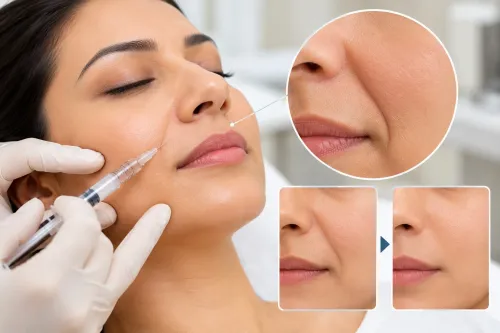
Start by identifying whether the darkness is a shadow, colour, a visible vessel, swelling, or several problems together. Searches for undereye hollow treatment for options in mumbai often assume that every dark circle needs filler, but added volume cannot remove pigment or treat puffy fat pads.
Check the area in direct daylight and with your face relaxed. Gently stretching the skin can reveal the dominant cause, but it cannot replace an examination.
- A tear-trough hollow creates a curved shadow that changes with overhead lighting and looks softer when the skin is gently supported. Cheek flattening, deep-set eyes, a negative orbital vector, or thin skin can make it stronger.
- Brown, grey, or slate colour that remains after the skin is stretched points towards pigmentation. Rubbing from eczema or allergy can deepen it.
- Blue-purple colour, fine lines, or branching veins suggests vascular show-through through thin translucent skin. It usually remains visible when the lighting changes.
- Persistent fullness, lower-eyelid fat prolapse, malar bags, or festoons indicates puffiness rather than a simple hollow. Filler placed directly into a baggy area can make it look heavier.
- Dryness, scaling, itching, watering, or frequent rubbing suggests eyelid dermatitis or allergy, which should be addressed before peels or injections.
Sleep loss can deepen an existing shadow but rarely explains a fixed, one-sided change. Many people have a combination, such as a hollow with brown pigment and puffiness, so dark circle treatment in mumbai should begin with an anatomical and skin assessment rather than a photograph alone.
Match the treatment to the tissue you want to change
The tissue you want to change determines the sensible choice. A true tear-trough depression, cheek flattening, or negative orbital vector needs volume strategy; brown pigment, thin translucent skin, or irritation needs skin treatment. Placing volume into puffy lids or fat bags can make them look heavier.
| Option | What it can change | Practical trade-offs |
|---|---|---|
| PRP | Skin quality and mild crepey texture; limited volume change | Usually several sessions; modest, gradual results; swelling and bruising are usually short-lived; maintenance is common. |
| PRF | Skin quality and possibly slightly more soft-tissue support than liquid PRP | Evidence and protocols vary; plan multiple sessions; temporary swelling can last several days; it cannot remove pigment or fat bags. |
| Biofiller | Small, temporary volume using an autologous plasma-based gel | Results and terminology vary by clinic; less predictable than hyaluronic-acid filler; often staged; ask exactly how it is prepared. |
| PDRN | Skin hydration, texture, and repair support | Does not fill a deep hollow; several sessions are common; maintenance is usually needed. |
| Peels | Selected brown pigmentation and surface texture | Cannot correct a hollow or visible fat; irritation can worsen post-inflammatory pigmentation; treatment must be cautious around thin eyelid skin. |
| Dermal filler | Shadow from infraorbital volume loss | Immediate camouflage but temporary; swelling, bluish discolouration, lumps, persistent oedema, and rare vascular complications matter; avoid prominent bags. |
| Fat transfer | Longer-lasting volume correction | More invasive, with variable fat survival, greater swelling, and contour irregularity risk; revision is harder than dissolving filler. |
For undereye hollow treatment in Mumbai, compare recovery, reversibility, and anatomy—not just the quoted price. Ask whether the plan addresses the hollow, skin, or lower-lid fat first.
Decide whether filler, skin treatment, or surgery suits your anatomy
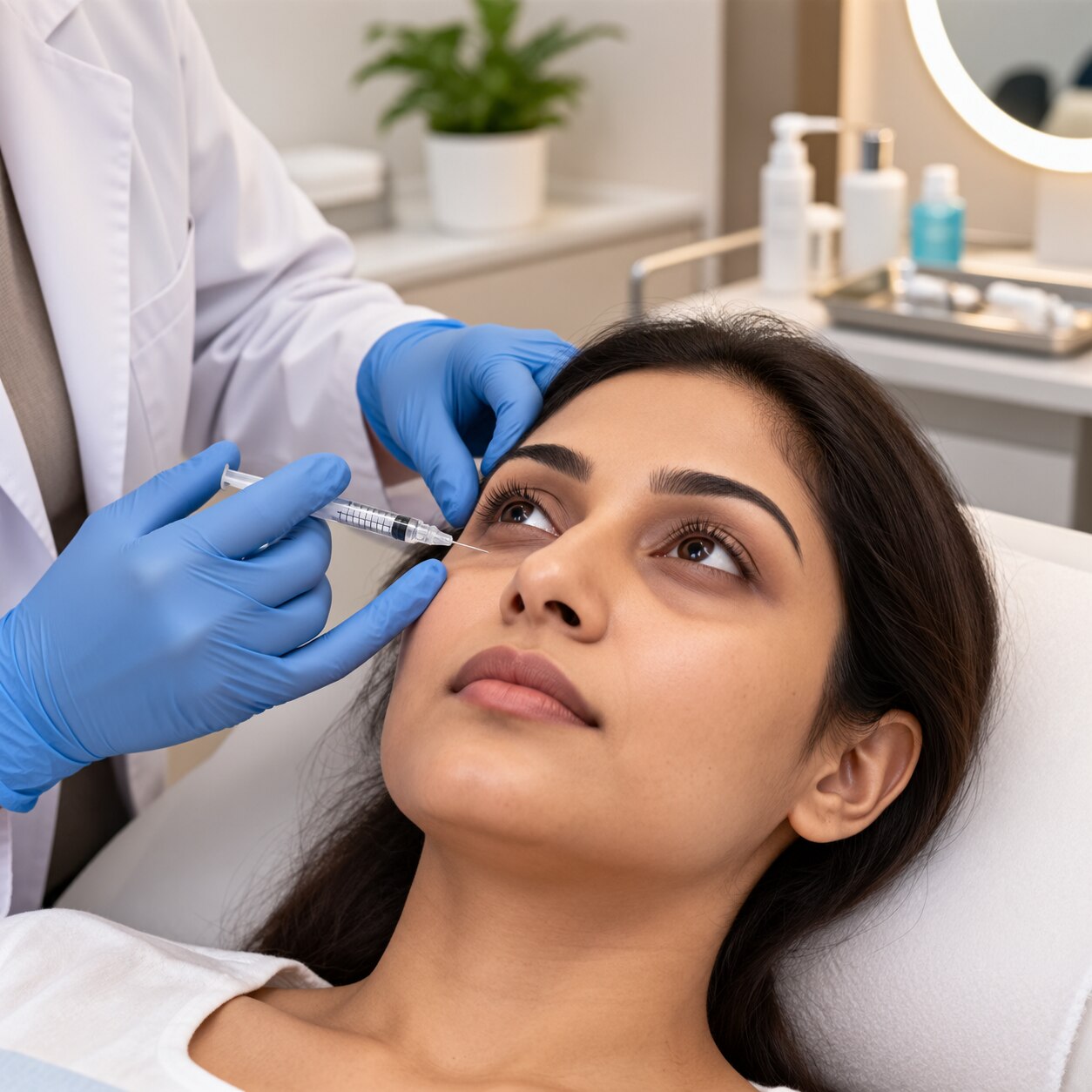
Under-eye filler is appropriate when a genuine tear-trough depression creates a shadow and the lower eyelid has smooth skin, no significant puffiness, and reasonable support from the cheek and orbital rim. Hyaluronic-acid filler can restore contour temporarily; it cannot remove brown or grey pigment, treat eczema, or reliably correct fat bags and loose skin.
Choose based on the tissue causing the visible problem:
- Choose filler when volume loss is the dominant issue, including a hollow beneath the inner lower eyelid. Deep-set eyes, cheek flattening, or a negative orbital vector can make the hollow more visible, so placing filler directly into a puffy bag can make the area look heavier. Search discussions of under-eye filler in Mumbai with this structural assessment in mind.
- Choose pigment-focused treatment when colour remains visible in bright, even lighting and does not disappear when the skin is gently stretched or the shadow is reduced. A clinician may consider a carefully selected peel, laser, or light treatment for pigment or vessels; these cannot replace volume, and unsuitable settings can cause burns or post-inflammatory hyperpigmentation.
- Discuss lower-eyelid blepharoplasty, with or without fat repositioning, when protruding fat, excess skin, marked laxity, festoons, or a deep hollow linked to eyelid anatomy dominates. This is more relevant hollow eyes treatment in Mumbai than repeated filler for a baggy lid, but surgery carries risks including dry eye, bleeding, infection, malposition, asymmetry, scarring, and revision.
Use a consultation to test the plan before treatment
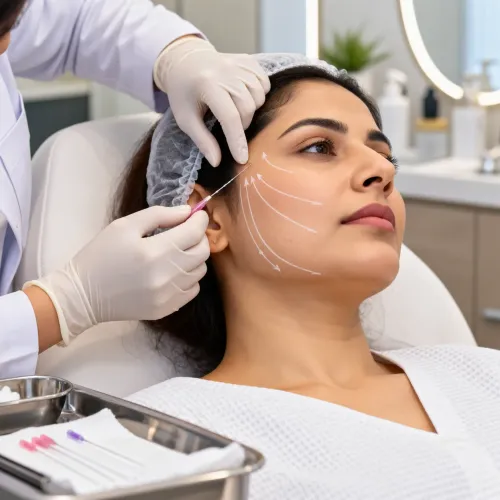
A useful consultation tests the diagnosis before it tests a product. The clinician should examine your lower-eyelid skin in daylight and at rest, while smiling, and with gentle palpation.
They should assess tear-trough depth, cheek support, orbital vector, skin thickness, visible vessels, pigment, fat prolapse, malar bags, festoons, eyelid laxity, eczema, allergy-related rubbing, and dry-eye symptoms. A photograph alone can miss the cause.
Ask these questions before agreeing to under-eye filler in Mumbai or another procedure:
- Is my darkness caused by a hollow, brown or grey pigment, visible vessels, thin skin, puffiness, fat prolapse, or more than one cause?
- Would adding volume make my bags or heaviness worse, and why is filler preferable to a peel, skin treatment, fat procedure, or lower-eyelid surgery for my anatomy?
- Which product will you use, what is its regulatory indication, and which injection plane and quantity do you recommend?
- What is your plan if a vascular occlusion occurs, and is hyaluronidase immediately available for hyaluronic-acid filler?
- What previous filler, eyelid surgery, laser treatment, abnormal scarring, allergy, autoimmune disease, bleeding medicine, or recurrent swelling must I disclose?
- Should active infection, eczema, or inflammatory eyelid disease be treated before elective injections or peels?
Dr. Akshay Kishor’s consultation should be judged by whether it answers these anatomy and safety questions, not by whether it recommends the most expensive option. For undereye hollow treatment in Mumbai, request a written plan stating the target tissue, expected limits, staged approach, follow-up date, and what would make treatment unsuitable.
“Reversible” filler still carries risks, and dissolving it can be incomplete.
Related service
Cosmetology Undereye Hollow And Dark Circles Treatment All types of Undereye Hollow And Dark Circles Treatment PRP PRF Biofiller Filler PDRN Peel Fat transfer View service → |
Compare recovery, maintenance, and warning signs before you consent
Expected swelling depends on the procedure: injections may cause bruising and puffiness for several days, while fat transfer or lower-eyelid surgery can require a longer recovery. Ask when you can judge the result, not just when you can return to work.
| Option | Recovery and durability | Maintenance and staging |
|---|---|---|
| Hyaluronic-acid filler | Swelling or bruising for days; camouflage is temporary and may last months | Review after healing; correction may be staged, with later maintenance |
| PRP, PRF, PDRN, or peels | Usually shorter downtime, but irritation can prolong redness or pigmentation | Several sessions are often planned; benefits require reassessment and upkeep |
| Fat transfer or surgery | Greater swelling and recovery; fat survival is variable, while surgery changes anatomy more permanently | Usually fewer repeat treatments, but revision carries another procedure and its risks |
A low quote for dark circle treatment in Mumbai is not comparable with a surgical fee. For hollow eyes treatment in Mumbai, compare the product, injector’s plan, review visits, reversal or complication support, and the likely number of sessions.
Before consenting, get these answers in writing:
- Which swelling, bruising, asymmetry, or lump is expected, and for how long?
- When is the follow-up, and will treatment be paused until the first result settles?
- What happens if you have previous filler, persistent swelling, or an unsatisfactory result?
Seek urgent medical help after an injection for sudden vision change, severe or escalating pain, pale or mottled skin, unusual coldness, or rapidly worsening swelling. Fever, spreading redness, pus, or eye-movement pain also needs prompt assessment.
Frequently asked questions
How do you identify what is causing under-eye darkness?
Assess whether the appearance comes from a hollow shadow, brown or grey pigment, visible vessels, swelling, or a combination of these causes.
Does under-eye filler treat every type of dark circle?
No. Under-eye filler adds volume to a hollow, but it does not remove pigment, conceal visible vessels, or treat protruding fat pads.
How do you choose between filler, skin treatment, and surgery?
Match the treatment to the tissue involved: filler for selected volume loss, skin treatments for colour or texture, and surgery when structural bags or excess tissue require correction.
What should you compare before consenting to treatment?
Compare expected recovery, maintenance appointments, treatment limits, possible complications, and warning signs that require urgent medical review.
Keywords