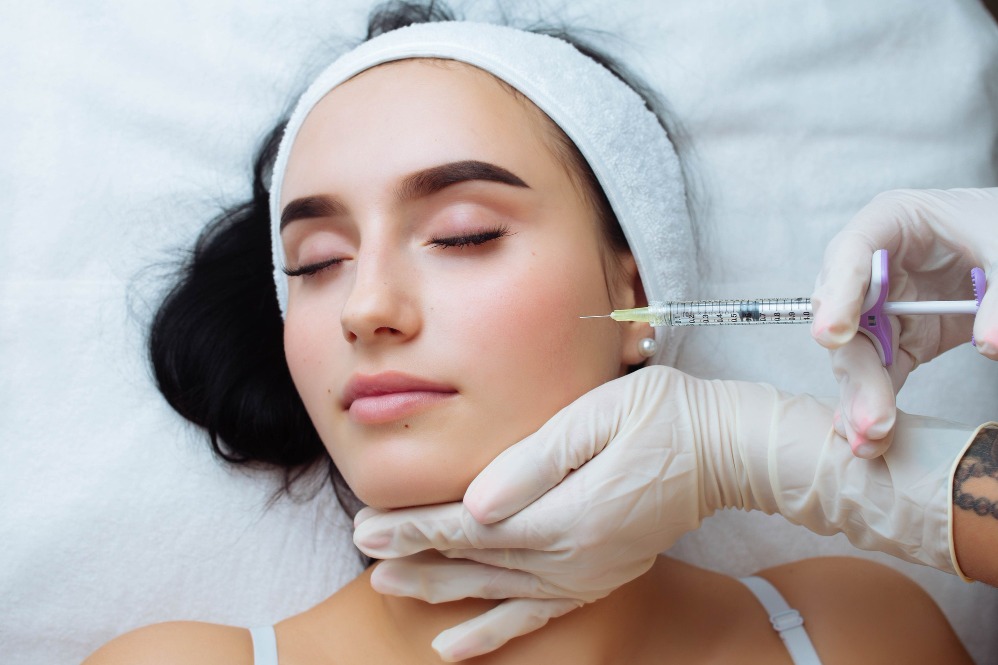
Dermal fillers are used for a variety of aesthetic purposes, including restoring selected areas of volume, refining contours, or supporting particular facial features. Yet the phrase 'getting fillers' can be misleading because products, treatment areas, techniques, and patient anatomy differ substantially.
People considering Dermal Fillers in Mumbai should evaluate more than photographs and package prices before proceeding.
First Ask What You Want to Change
Aesthetic treatment works best when the concern is specific.
Rather than asking for 'full-face filler,' identify the feature that prompted you to consider treatment. Perhaps you have noticed volume changes in a particular area or want to discuss facial proportions.
The clinician can then determine whether filler is appropriate or whether another approach or no procedure at all makes more sense.
Check the Clinician's Approach to Facial Anatomy
Injectable treatment requires detailed anatomical knowledge.
Blood vessels, nerves, muscles, fat compartments, and deeper structures vary across facial regions. The treatment plan should account for these structures as well as your existing proportions.
Ask who will personally perform the injections and what clinical assessment is undertaken beforehand.
Know What Product Is Being Used
'Filler' is a category, not one universal substance.
Different filler products have different properties and may be selected for different anatomical areas or treatment objectives.
Before treatment, you should understand what type of product is proposed, where it will be placed, and why it has been selected.
The product should also be appropriately sourced and handled.
Understand Common and Important Risks
Temporary swelling, bruising, redness, tenderness, and asymmetry can occur after injections.
There are also uncommon but potentially serious complications associated with filler injections, including vascular complications. Patients should receive a clear explanation of relevant risks and warning signs that require prompt attention.
A consultation that discusses only benefits and skips complications is incomplete.
Ask Whether Less Product Could Be Enough
Facial enhancement does not need to be dramatic.
For many patients, conservative correction is preferable to attempting large changes in one appointment. Gradual treatment allows the clinician and patient to assess proportions as they evolve.
This is particularly useful for people who want friends or colleagues to notice that they look refreshed without immediately identifying a cosmetic procedure.
Plan Around Mumbai's Social Calendar
Weddings, festive events, professional shoots, and travel are common reasons people start exploring aesthetic procedures.
Do not assume that 'no surgery' means 'no visible recovery.' Bruising and swelling can occur after fillers, and individual recovery varies.
Scheduling sufficient time before an important event avoids putting unnecessary pressure on the treatment process.
Review These Questions Before Saying Yes
A practical pre-treatment checklist includes:
- What specific concern are we treating?
- Why is filler appropriate for it?
- What product will be used?
- Who will perform the injection?
- How much product is proposed?
- What outcome is realistic?
- What are the relevant complications?
- What symptoms require urgent contact?
- What aftercare should I follow?
- How will follow-up be handled?
Dr. Akshay Kishor's dermatology and cosmetology clinic in Mumbai provides an opportunity to discuss suitability and facial aesthetics before an injectable treatment is selected.
A Good Result Should Respect Your Existing Features
Trends change quickly. Facial anatomy does not.
Trying to reproduce the same lips, cheeks, chin, or jawline on every person can create results that do not suit individual proportions. Treatment should therefore be based on the patient's features rather than a standard social-media template.
For patients across Mumbai and Maharashtra considering fillers, provider selection should focus on medical assessment, product transparency, anatomical knowledge, conservative planning, and access to follow-up.
The goal of an informed consultation is not to convince you to undergo an injection. It is to give you enough information to decide whether the proposed treatment fits your priorities and risk tolerance.
Keywords