Discovering a bald patch can be alarming. One common reaction is to immediately change shampoos, start supplements, apply oils, or try a treatment recommended online. The difficulty is that 'alopecia' simply refers to hair loss, and several very different conditions can produce visible patches.
Appropriate Alopecia Treatment in Mumbai depends on identifying which type is present before treatment begins.
Mistake 1: Assuming Every Bald Patch Is Alopecia Areata
Alopecia areata is an autoimmune condition that commonly produces smooth, well-defined areas of hair loss. However, patchy hair loss can have other causes.
Fungal scalp infections, hair-pulling disorders, traction, inflammatory diseases, and scarring alopecias may sometimes produce apparently similar areas.
The treatment for each can be very different.
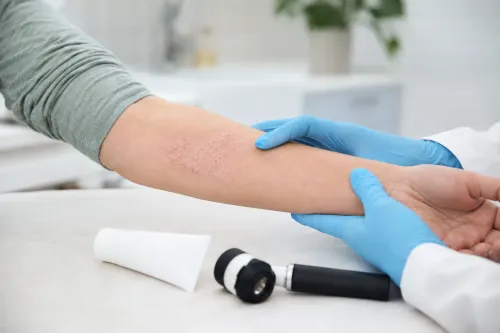
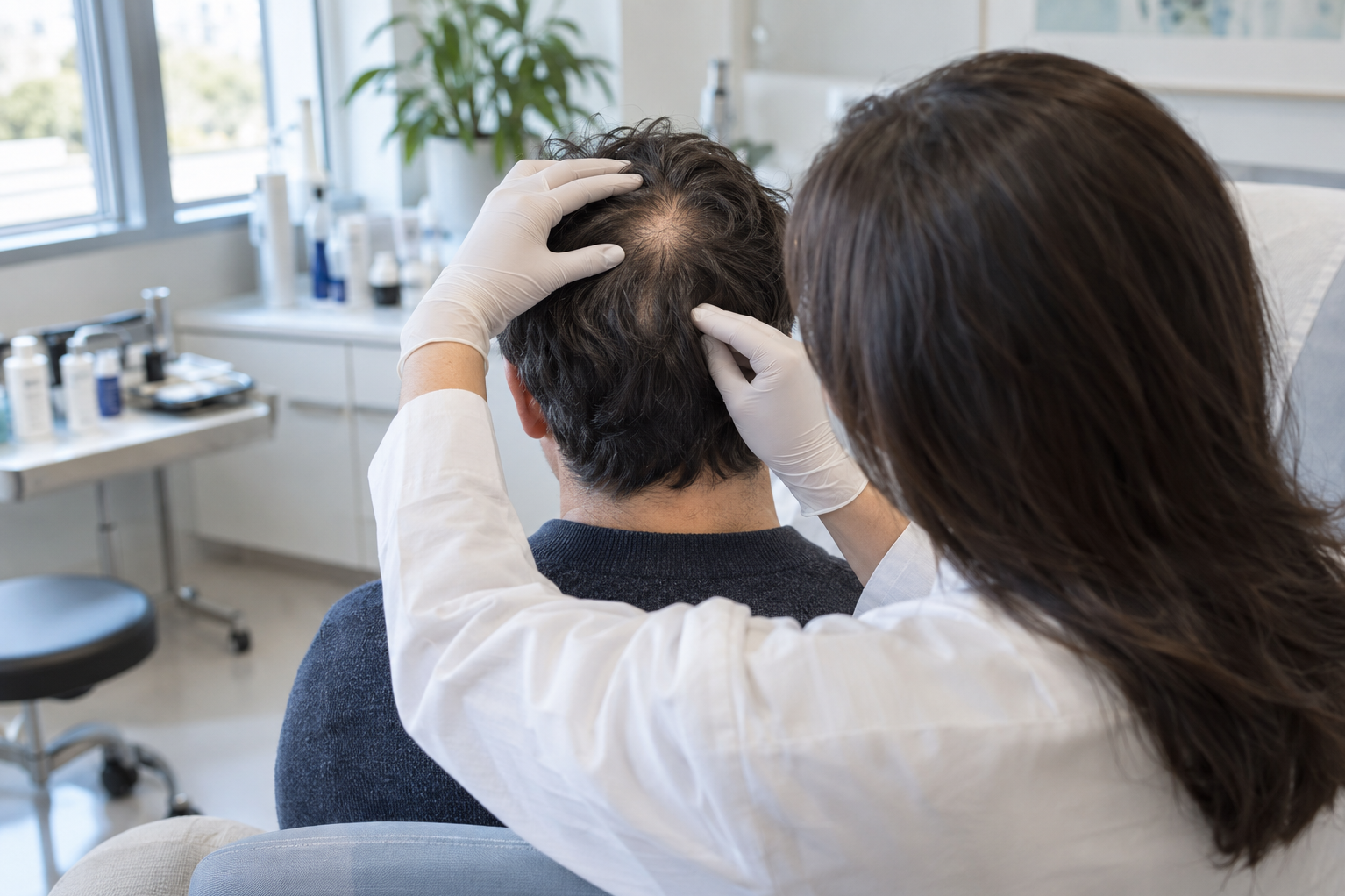
A dermatologist examines not just the missing hair but also the skin within and around the patch. Scaling, broken hairs, redness, loss of follicular openings, and other findings can provide diagnostic clues.
Mistake 2: Waiting for Extensive Hair Loss Before Seeking Assessment
A small patch does not always mean a minor problem.
Some conditions remain limited or recover, while others can progress. Scarring forms of alopecia are particularly important because inflammation can permanently damage follicles.
Prompt evaluation is therefore useful when hair loss is rapidly increasing, multiple patches are appearing, or the scalp is painful, inflamed, or visibly changing.
Mistake 3: Treating Supplements as a Universal Solution
Nutritional deficiencies can contribute to certain patterns of hair loss, but they do not explain every bald patch.
Alopecia areata, for example, has an autoimmune basis. Taking random combinations of vitamins cannot be assumed to treat that mechanism.
When laboratory investigations are appropriate, they should be guided by medical history and examination. Supplementation can then target an identified need rather than becoming an open-ended experiment.
Mistake 4: Using Strong Medication Without Supervision
Hair-loss communities online frequently discuss prescription medicines and potent topical products. What worked for one person may be inappropriate for another diagnosis.
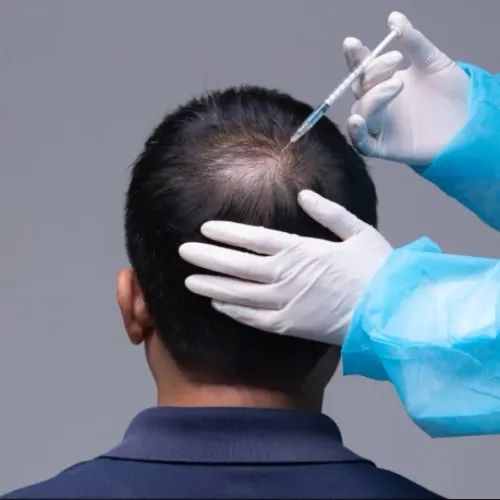
Incorrect treatment can irritate the scalp, conceal useful diagnostic signs, or delay effective management.
This is particularly relevant when patients have already used multiple creams on a patch before their first dermatology visit. If possible, keep a record or photographs of products previously used.
Mistake 5: Expecting Hair to Regrow Immediately
Hair growth takes time.
Even after the underlying problem is controlled, follicles need to progress through their natural cycle before visible regrowth becomes apparent. Different alopecia types also have very different prognoses.
A good treatment discussion therefore includes realistic timelines and explains how response will be assessed.
What Does an Alopecia Assessment Involve?
The dermatologist may review the speed and pattern of hair loss, scalp findings, family history, associated symptoms, recent illnesses, medications, and previous episodes.
Closer scalp examination or dermoscopy can provide additional information. Laboratory tests or, less commonly, a scalp biopsy may be considered when clinically necessary.
Dr. Akshay Kishor assesses hair and scalp disorders in Mumbai with treatment decisions based on the suspected form of alopecia rather than the appearance of hair loss alone.
What Should Patients Track?
Mumbai patients dealing with patchy hair loss can make consultations more informative by noting when the first patch appeared and whether it has changed.
Useful details include:
- New patches
- Changes in patch size
- Eyebrow or eyelash involvement
- Nail changes
- Itching, scaling, or discomfort
- Previous episodes
- Treatments already attempted
Consistent photographs can also help document progression.
Alopecia is not one disease with one solution. Avoiding self-diagnosis, recognising warning signs, and obtaining an accurate assessment can prevent valuable time being lost on treatments that do not match the underlying condition.
Keywords