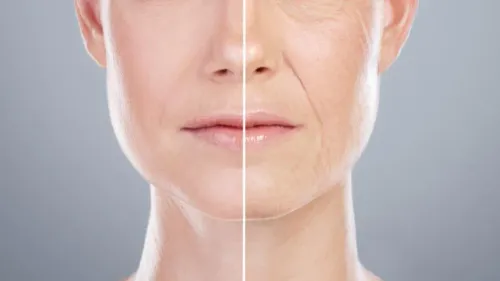
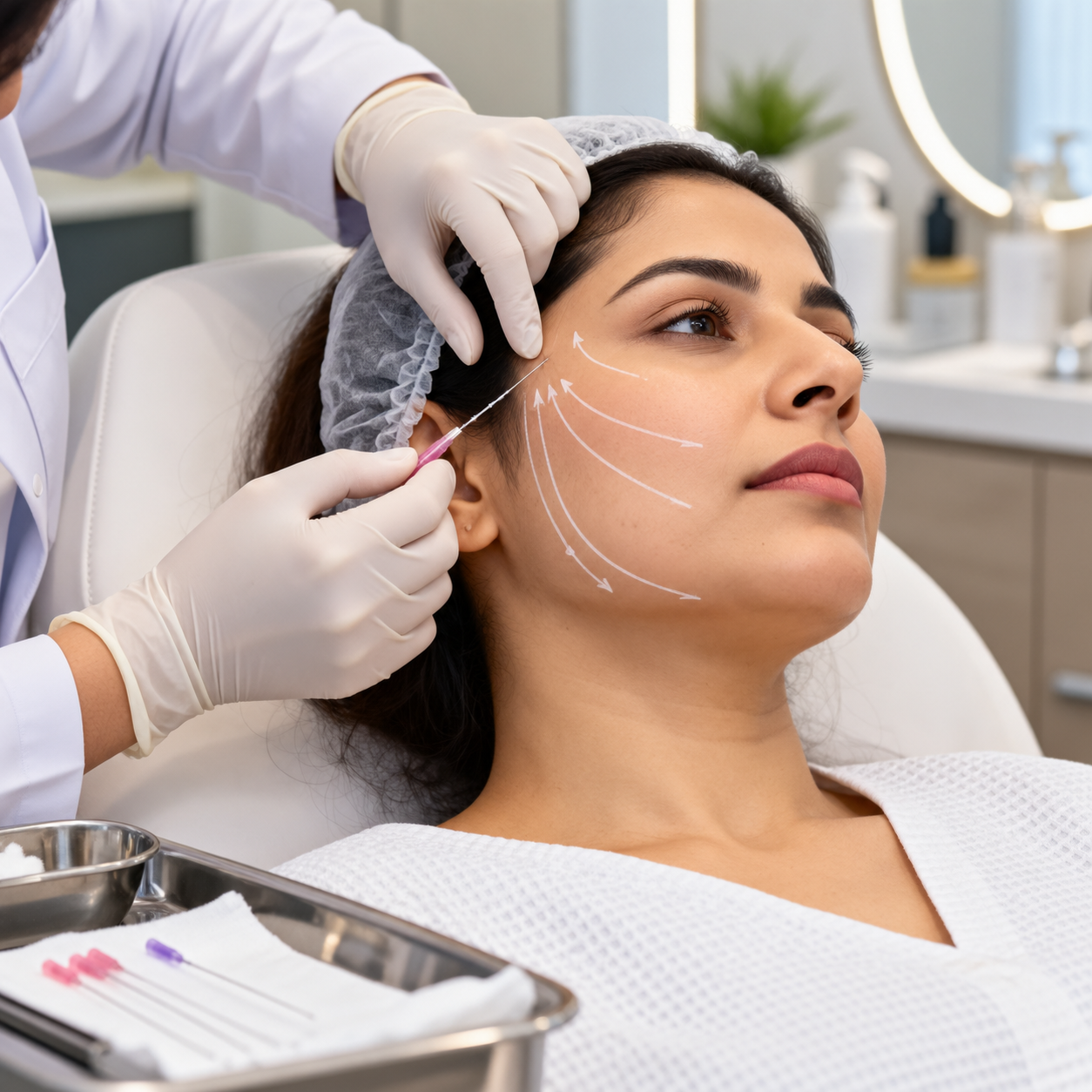
A thread lift is often discussed as a minimally invasive option for people who want some degree of facial lifting without conventional surgery. That description can sound straightforward, but results depend strongly on facial anatomy, degree of skin laxity, treatment technique, and expectations.
Before choosing Thread Lift Treatment in Mumbai, it is useful to understand where the procedure may fit and where its limitations begin.
What Is a Thread Lift Designed to Do?
Thread-lift procedures involve placing specially designed threads beneath the skin to create mechanical support and reposition selected tissues to a degree.
Different thread types and techniques exist, and treatment areas vary.
The procedure should not automatically be viewed as a direct replacement for surgical lifting. The extent and longevity of change are different, and patients with substantial skin laxity may not obtain the result they expect from threads alone.
Who Might Explore the Procedure?
Suitability cannot be determined from age alone.
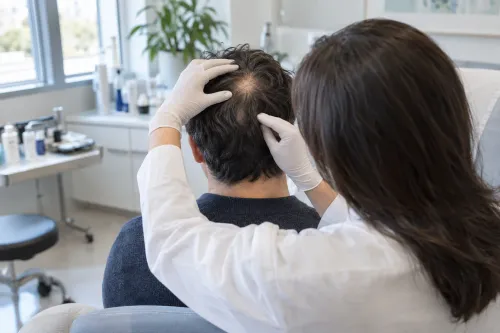
A clinician considers facial anatomy, tissue quality, degree and location of laxity, previous aesthetic procedures, medical history, and the patient's expectations.
Someone seeking a modest improvement may view the procedure differently from someone expecting a dramatic transformation.
The consultation should establish that distinction clearly.
What Should Happen Before Treatment?
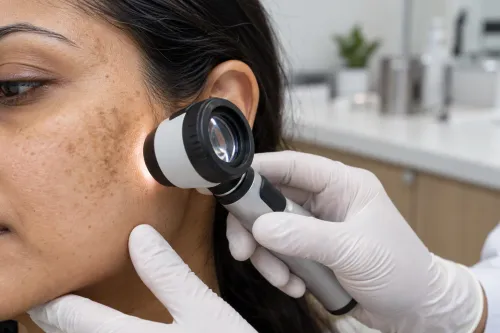
A proper assessment should examine the face at rest and during movement.
The practitioner may evaluate:
- Areas of laxity
- Facial symmetry
- Skin quality
- Volume distribution
- Previous fillers or procedures
- Scarring history
- Medical conditions and medications
- Desired direction and degree of lifting
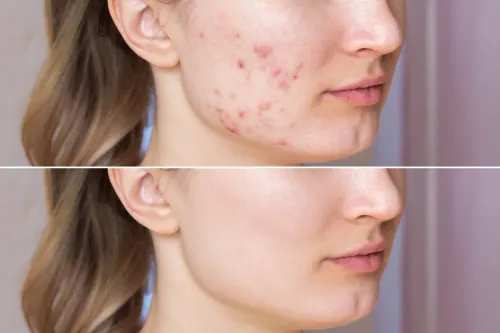
Photographs may also be useful for treatment planning and subsequent comparison.
Thread Lift, Fillers, and Botox Serve Different Purposes
Patients sometimes use these terms interchangeably, but the treatments work differently.
Botulinum toxin primarily modifies selected muscle activity. Dermal fillers can add or restore volume in carefully chosen areas. Threads are used for a different mechanical objective related to tissue support and repositioning.
A patient may be suitable for one, a combination, or none of these options.
This is why choosing a procedure before undergoing facial assessment can put the decision in the wrong order.
What Risks Should Be Discussed?
Minimally invasive does not mean free of potential complications.
Depending on the technique and individual patient, temporary swelling, bruising, tenderness, dimpling, asymmetry, or discomfort may occur. Infection and other complications are also possible.
Procedure-specific risks should be explained during consultation, together with what symptoms warrant prompt review.
Patients should also know what activity restrictions or aftercare recommendations may apply during the early recovery period.
How Long Do Results Last?
Thread-lift results are not permanent.
Longevity varies according to the technique, thread type, treatment area, tissue characteristics, lifestyle factors, and individual response. Ageing also continues naturally after treatment.
Be cautious with any claim that promises a fixed result or guarantees a particular duration for every patient.
How Should You Choose a Provider in Mumbai?
Mumbai has a large and competitive aesthetic-treatment market, so patients can easily encounter offers centred on discounts, packages, or dramatic before-and-after content.
A more useful provider-selection process looks at clinical factors.
Ask who performs the procedure, how your suitability is determined, what threads are proposed, what degree of improvement is realistic, what complications can occur, and how post-procedure concerns are managed.
Dr. Akshay Kishor's dermatology and cosmetology practice in Mumbai can assess facial concerns and discuss whether a thread-based procedure is appropriate within the wider range of aesthetic options.
Know When Not to Proceed
You should feel comfortable delaying or declining treatment if the expected result remains unclear, risks have not been properly discussed, or you feel pressured to make an immediate decision.
Aesthetic procedures are elective. There is rarely a reason to make the decision under artificial urgency.
For someone considering a thread lift in Mumbai, readiness is not simply wanting a more lifted appearance. It means understanding the likely degree of improvement, accepting the temporary nature of the result, knowing the potential risks, and choosing treatment only after an individual facial assessment.
That combination of realistic expectations and careful clinical planning provides a stronger foundation for aesthetic treatment than choosing a procedure because it happens to be trending.
Keywords