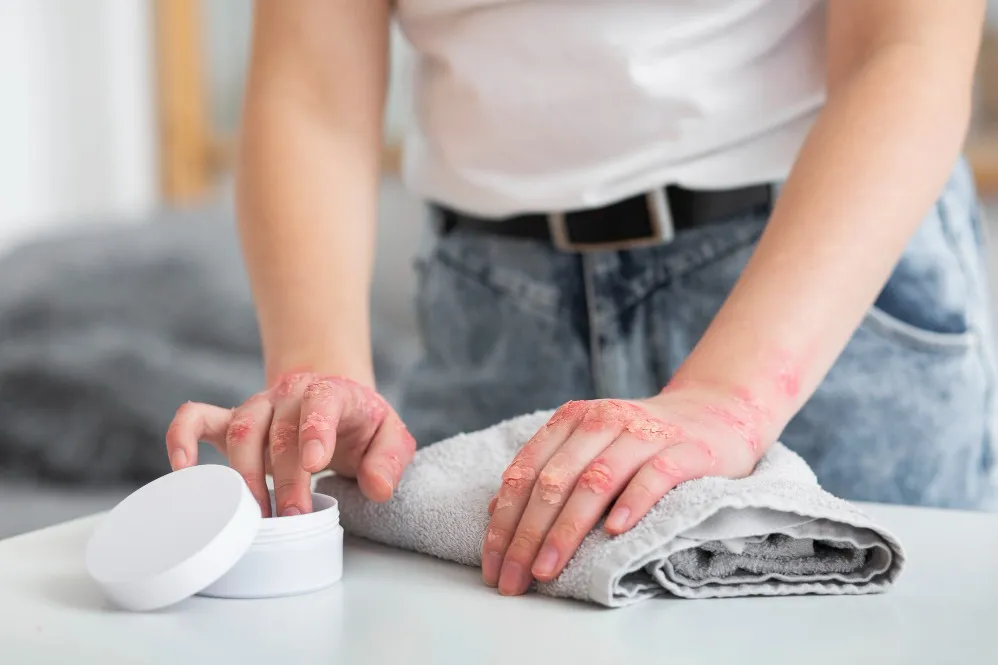
Persistent itching, redness, dryness, and inflamed skin can significantly affect daily comfort. For individuals living with eczema, flare-ups often interfere with sleep, work, and confidence. While eczema is a chronic condition, appropriate Chronic Eczema Care can help reduce symptoms, strengthen the skin barrier, and improve long-term skin health.
Mumbai's humid climate, pollution, allergens, and changing environmental conditions may contribute to eczema flare-ups in susceptible individuals. Understanding how to manage the condition is an important step toward minimizing discomfort and preventing recurrent episodes.
What Is Chronic Eczema
Eczema, also known as atopic dermatitis in many cases, is an inflammatory skin condition that weakens the skin's natural protective barrier. This allows moisture to escape while making the skin more vulnerable to irritants and allergens.
Although eczema is not contagious, it often requires ongoing care to keep symptoms under control.
Common Symptoms
Symptoms may vary depending on age and severity.
Typical signs include:
- Persistent itching
- Dry and rough skin
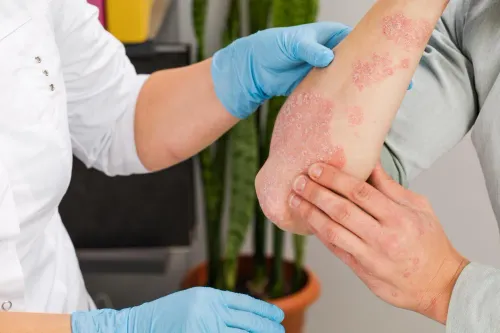
- Red inflamed patches
- Thickened skin from repeated scratching
- Cracked skin
- Oozing during severe flare-ups
- Skin sensitivity
Symptoms often occur in cycles, alternating between flare-ups and periods of improvement.
Common Triggers
Identifying triggers is an important part of eczema management.
Frequently reported triggers include:
- Dust mites
- Harsh soaps
- Fragrances
- Sweat
- Heat
- Certain fabrics
- Emotional stress
- Seasonal weather changes
Keeping a symptom diary may help patients recognize patterns and avoid known irritants.
What Does Chronic Eczema Care Involve
Successful treatment usually combines medical therapy with long-term skin care.
Depending on individual needs, treatment may include:
Moisturizing Therapy
Regular use of dermatologist-recommended moisturizers helps restore the skin barrier.
Prescription Medications
Topical medications reduce inflammation and relieve itching during flare-ups.
Infection Management
Secondary bacterial infections may require additional medical treatment.
Lifestyle Guidance
Patients receive advice on bathing routines, clothing choices, skincare products, and trigger avoidance.
Daily Skin Care Tips
Simple routines often reduce the frequency of flare-ups.
Helpful practices include:
- Moisturize immediately after bathing
- Use fragrance-free skincare products
- Bathe with lukewarm water
- Wear soft cotton clothing
- Keep fingernails trimmed
- Avoid scratching affected areas
- Stay hydrated
Consistency is often more beneficial than changing products frequently.
Why Early Medical Care Matters
Ignoring eczema can result in worsening symptoms, skin infections, sleep disturbances, and reduced quality of life.
Regular dermatology consultations allow:
- Better symptom control
- Early treatment adjustments
- Prevention of complications
- Long-term monitoring
Early intervention can help prevent repeated flare-ups from becoming increasingly severe.
Long-Term Management Makes the Difference
Because eczema is a chronic condition, treatment focuses on controlling symptoms rather than providing a permanent cure. Following medical advice consistently often leads to better comfort and fewer flare-ups over time.
Individuals seeking Chronic Eczema Care in Mumbai often choose experienced dermatologists who emphasize personalized treatment and preventive skin care. Dr. Akshay Kishor develops individualized management plans based on each patient's symptoms, skin type, and lifestyle, helping people achieve healthier skin through evidence-based dermatological care.
Keywords