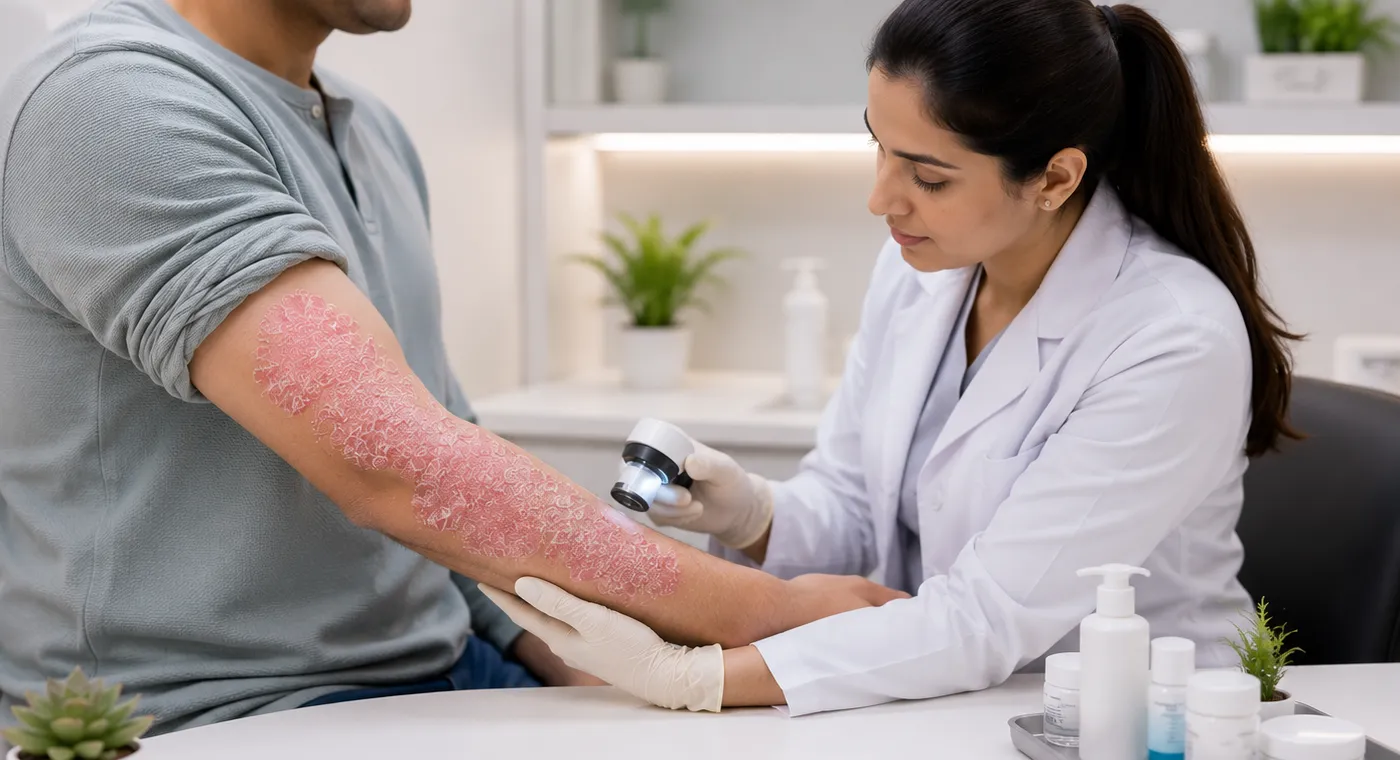
Psoriasis is more than a skin condition. For many people, it is a long-term autoimmune disorder that affects physical comfort, emotional well-being, and everyday confidence. Persistent itching, red patches, flaking skin, and recurring flare-ups can make even simple daily activities uncomfortable. While there is no permanent cure for psoriasis, significant advances in dermatology have made long-term symptom control more achievable through advanced psoriasis treatment.
People living in Mumbai often deal with additional environmental factors such as humidity, pollution, stress, and changing weather, all of which may contribute to flare-ups. Understanding modern treatment options can help patients make informed decisions and manage the condition more effectively.
Understanding Why Psoriasis Develops
Psoriasis occurs when the immune system mistakenly speeds up the production of skin cells. Instead of renewing over several weeks, new skin cells form within days, leading to thick, inflamed plaques covered with silvery scales.
Although the exact cause varies between individuals, common triggers include:
- Family history
- Emotional stress
- Skin injuries
- Certain medications
- Infections
- Smoking and alcohol consumption
- Weather changes
Since every patient experiences psoriasis differently, treatment plans should always be personalized.
Common Signs That Should Not Be Ignored
Symptoms can range from mild to severe and may include:
- Red, raised skin patches
- Thick white or silvery scales
- Dry skin that cracks or bleeds
- Persistent itching
- Burning sensation
- Thickened nails
- Joint pain associated with psoriatic arthritis
Early diagnosis often helps prevent extensive skin involvement and improves long-term disease management.
What Makes Advanced Psoriasis Treatment Different
Modern dermatology has moved beyond simply reducing visible symptoms. Today's advanced psoriasis treatment focuses on controlling inflammation, minimizing flare-ups, protecting healthy skin, and improving overall quality of life.
Depending on disease severity, treatment may include:
Prescription Topical Therapy
Specialized creams and ointments help reduce inflammation and scaling while protecting the skin barrier.
Phototherapy
Controlled ultraviolet light therapy may be recommended for moderate psoriasis when topical treatment alone is insufficient.
Oral Medications
Certain medicines work by regulating the immune response responsible for psoriasis.
Biologic Therapy
For severe or treatment-resistant psoriasis, biologic medications target specific immune pathways associated with inflammation.
Lifestyle Guidance
Managing stress, maintaining a healthy weight, following a balanced diet, and practicing proper skincare can complement medical treatment.
Daily Habits That Support Better Skin
Medical care works best when combined with healthy lifestyle practices.
Helpful habits include:
- Moisturizing regularly
- Avoiding harsh soaps
- Keeping skin hydrated
- Wearing comfortable cotton clothing
- Managing stress through exercise or meditation
- Protecting skin from injuries
- Following treatment consistently
Skipping medications after symptoms improve is one of the most common reasons for relapse.
Why Personalized Treatment Matters
No two psoriasis cases are identical.
Factors influencing treatment include:
- Type of psoriasis
- Body areas involved
- Severity
- Age
- Existing medical conditions
- Previous treatment response
- Lifestyle factors
An individualized treatment plan often delivers better long-term outcomes than a one-size-fits-all approach.
Can Psoriasis Be Controlled Long Term
Although psoriasis is chronic, many patients achieve long periods with minimal symptoms through regular medical care and timely treatment adjustments.
Regular follow-up appointments help dermatologists:
- Monitor progress
- Modify medications when needed
- Prevent complications
- Reduce recurrence frequency
This proactive approach helps many patients maintain healthier skin over time.
Living Confidently With Psoriasis
Psoriasis can affect confidence, relationships, and emotional health. Seeking support from experienced dermatologists, family members, or patient groups can make coping easier.
Open communication with your healthcare provider is equally important. Reporting new symptoms or treatment concerns allows timely adjustments that improve overall results.
Patients seeking advanced psoriasis treatment in Mumbai often benefit from clinics that combine evidence-based therapies with individualized care. Dr. Akshay Kishor focuses on tailoring treatment plans according to each patient's skin condition, medical history, and treatment goals, helping individuals manage psoriasis with greater confidence and comfort.
Keywords